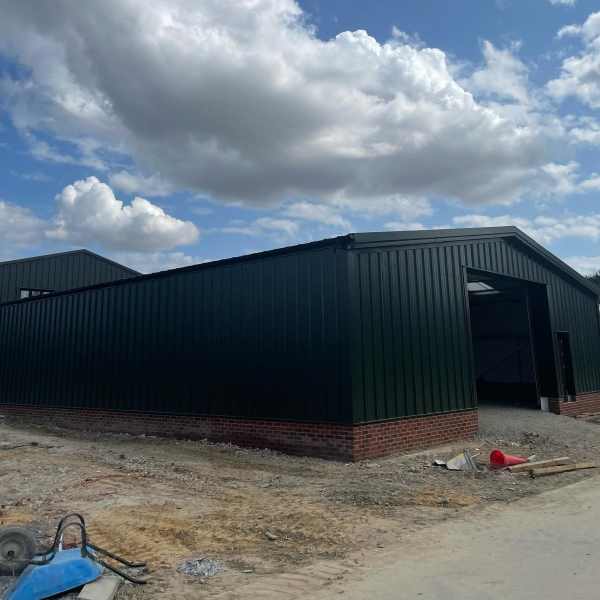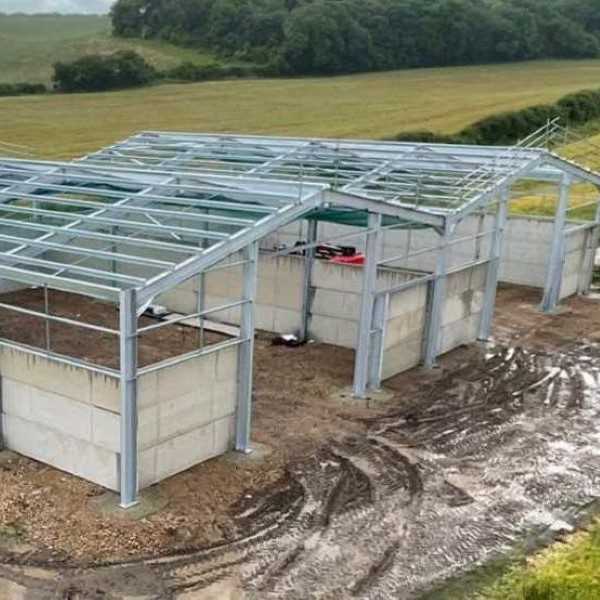
Cladding installation for warehouse extensions is often one of the first things businesses consider when planning a new industrial building extension, especially where durability, insulation and weather protection matter. Whether you are extending an existing warehouse or building a new section, the cladding system you choose will directly affect performance, compliance and long-term maintenance. This guide explains how cladding installation works, what to consider during planning, and how to set your project up for long-term success. If you are exploring options for your building envelope, you can also view our industrial cladding services to see how we design and install systems for commercial and industrial projects.
Why Cladding Plays a Critical Role in Warehouse Extensions
A warehouse extension is not simply about adding more space. It needs to work as a seamless continuation of the existing structure, both visually and structurally. Cladding forms the external envelope of the building. It protects internal operations from the elements and improves thermal efficiency.
Projects such as a 50m by 7m extension bring additional challenges. Wind loading, rain exposure, insulation requirements and structural movement all influence how the system should be designed. If these factors are not considered early, issues such as water ingress, condensation and heat loss can develop over time.
A well-designed and properly installed system creates a durable, weather-resistant finish. It also improves the overall performance of the building.
Understanding the Scope of a Typical Cladding Project
Most warehouse extension projects involve cladding multiple elevations along with the roof. They often include guttering and drainage systems to create a fully enclosed structure that is ready for use.
The junctions between wall cladding and roofing systems require careful attention. These areas are common failure points if not detailed correctly. Guttering must also be sized and positioned properly to manage rainfall and protect the building envelope.
Providing accurate drawings at the enquiry stage makes a significant difference. It allows contractors to assess the project clearly and prepare an accurate quotation. It also helps ensure that materials, labour and installation methods align from the outset.
Choosing the Right Cladding System
The intended use of the building should guide your choice of cladding materials. Composite panels are widely used in industrial and commercial settings because they offer strong insulation and a clean, modern finish. These systems combine internal and external layers with an insulating core, helping maintain a stable internal environment.
Single-skin systems can suit buildings where insulation is less important, such as storage or agricultural units. While they cost less initially, they do not provide the same thermal performance.
It is important to look beyond upfront cost. Energy efficiency, maintenance requirements and compliance all play a role in long-term value.
For further technical guidance on cladding systems and installation best practice, organisations such as the Metal Cladding and Roofing Manufacturers Association provide detailed resources on performance standards and system design.
Integrating Roofing and Guttering Systems
When a project includes cladding on three sides along with the roof, it becomes a complete building envelope installation. All elements must work together to achieve a watertight finish.
Roofing systems need to align with wall cladding in both design and installation. Poor detailing at edges or junctions can lead to long-term issues that are costly to fix. Guttering is just as important. A well-designed system directs water away from the building and reduces wear on materials.
When these elements are planned together, the result is a reliable system that requires minimal maintenance.
Installation, Access and Practical Considerations
Before installation begins, you need to plan for site access and safety. Larger extensions may require scaffolding or specialist equipment. You should also assess the condition of the existing building to ensure the new cladding integrates correctly.
Accurate measurements are essential. Even small errors can affect how panels fit and perform. Experienced installers focus on precision during fixing, sealing and finishing. These details determine how well the system performs over time.
A clear installation plan helps reduce disruption and keeps the project running efficiently.
Planning Your Cladding Installation Project
If you are planning a warehouse extension in Dunstable or elsewhere in the UK, start by preparing detailed drawings and a clear outline of your requirements. This allows contractors to provide accurate quotes and recommend suitable systems.
If you are still not sure whether to repair or replace your existing cladding, you may also find our article on External Cladding: Repair or Replace?