Choosing the Right Concrete System for Agricultural Buildings
When upgrading an agricultural building for bulk grain storage, the retaining wall system becomes one of the most important structural decisions you’ll make.
Many older barns, particularly Atcost-style buildings, were never intended to hold sustained lateral grain pressure. Once internal bins come out, the limitations of the original structure quickly become clear. Steel spacing, foundation strength and wall height all start to matter more than they did before.
In this guide, we look at precast and prestressed panels specifically in the context of agricultural grain stores. If you’re looking for installation support rather than technical background, you can find further details on JTC’s Grain Walling Services page.
Why Grain Storage Creates Structural Pressure
Grain does not behave like standard building load. It pushes outward constantly. The higher the grain, the greater the force at the base of the wall. At 3 metres, that pressure becomes significant enough that panel selection cannot be guessed.
Unlike general construction walls, grain stores deal with:
- Continuous horizontal load
- Seasonal filling and emptying cycles
- Moisture variation
- Concentrated stress along the lower third of the wall
Because of this, panel thickness and steel layout should follow structural calculation, not rule of thumb.
Precast Concrete Panels in Agricultural Settings
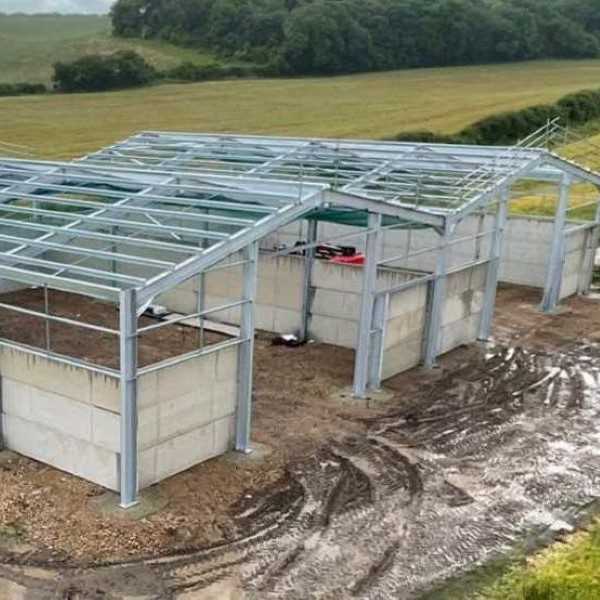
Manufacturers cast precast panels in factory conditions and deliver them to site ready for installation between steel columns or RSJs.
In agricultural environments, contractors commonly use precast systems for grain bays, silage clamps and internal retaining walls. They are familiar, straightforward and widely available.
For storage heights up to 3 metres, designers often specify panel thickness between 100mm and 150mm. The exact figure depends on steel spacing and anticipated grain load.
Most installations work efficiently when steel columns sit at 2.4m or 3m centres. Matching panel length to that spacing keeps the build simple. It also reduces cutting and unnecessary fabrication on site.
For many retrofit grain stores, standard precast panels provide a sensible balance between strength and cost.
How Prestressed Panels Differ
Prestressed panels include tensioned steel tendons embedded within the concrete. This tension improves resistance to bending and reduces deflection under sustained load.
In practical agricultural terms, prestressed panels may suit buildings where:
- Wall runs extend to 40m or 50m
- Steel supports cannot be installed at closer centres
- Loading demands exceed standard layouts
They generally cost more upfront. However, in some configurations, they improve span performance and reduce long-term movement.
For broader technical background on reinforced and prestressed concrete, organisations such as the Concrete Centre publish structural guidance. That said, theory alone does not determine the right solution. The existing building frame matters just as much.
Which System Makes Sense for a Grain Store?
For many agricultural retrofits at 3m storage height, properly supported precast panels perform perfectly well.
However, once spans increase or steel spacing becomes restricted, prestressed panels may offer advantages. The decision is rarely about “stronger” versus “weaker”. Instead, it comes down to structural compatibility.
Over-engineering increases cost without adding value. Under-engineering introduces risk. The right balance sits somewhere between those two extremes.
Steel Spacing and Panel Layout
Efficiency improves when you design around consistent modular dimensions.
Typical considerations include:
- 2.4m or 3m panel modules
- Uniform steel column positioning
- Solid base restraint
- Adequate foundation capacity
If you merge two barns to create a longer grain store, you must review how the frames connect. Load transfer between structures is not always straightforward. A structural check at this stage avoids future movement issues.
Don’t Overlook the Roof
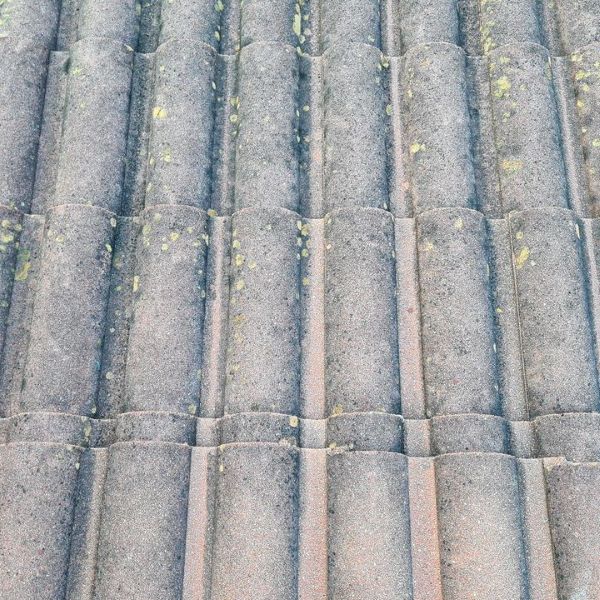
Grain storage performance depends on more than just the retaining walls. Roof condition directly affects internal humidity and condensation.
Where sheeting requires refurbishment, many building owners choose to coordinate wall and roof works together. Improvements might include:
- Replacement steel cladding
- Anti-condensation membranes
- Improved ventilation
Managing moisture protects grain quality and helps the building perform as intended.
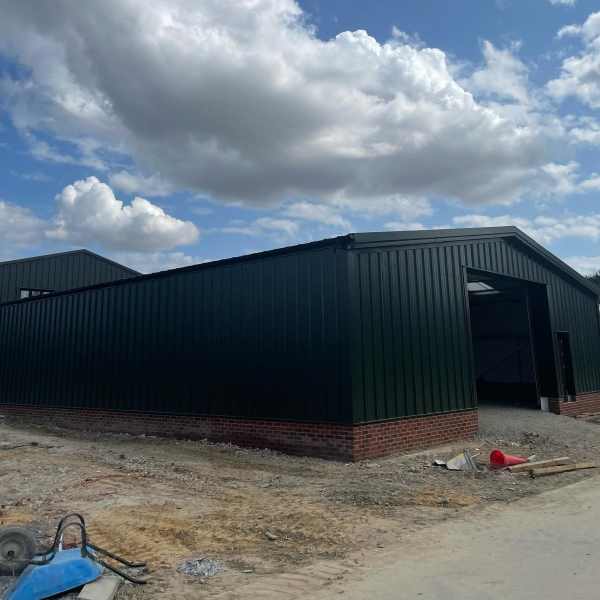
You can view examples of agricultural upgrades within JTC’s Agricultural Projects portfolio.